Description
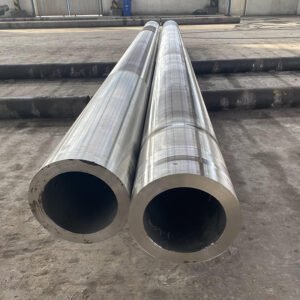
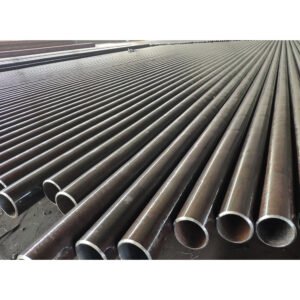
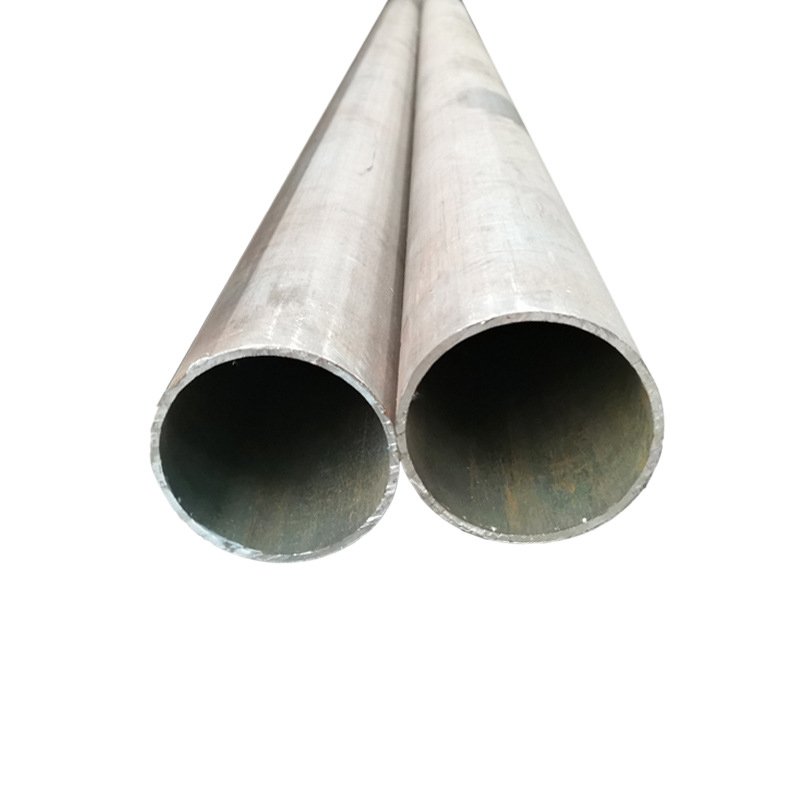
Alloy steel pipe is a type of steel pipe that consists of alloying elements, such as manganese, silicon, nickel, titanium, copper, chromium, and aluminium. These alloying elements are added to increase the mechanical and chemical properties of the steel.
Alloy steel can further classify as:
Low alloy steels: in which the sum of total Alloying elements is < 5%
High alloy steels: in which the sum of total Alloying elements is > 5%
Physical Properties
Alloy steel pipes have a higher strength-to-weight ratio than conventional carbon steel pipes. This means they can withstand more pressure while maintaining their structural integrity. Additionally, they are much more resistant to corrosion and wear than traditional carbon steel pipes due to the addition of alloying elements which protect against oxidation.
Chemical Composition
The chemical composition of alloy steel pipes varies depending on the specific grade used. Most commonly used grades include 4140 (chromium-molybdenum), 4130 (chromium-molybdenum-silicon), 52100 (chromium), 1020 (carbon), 8620 (nickel-chromium-molybdenum) and T304/L (stainless steel). Each grade has unique properties and characteristics, making it ideal for different applications.
| C, % | Mn, % | P, % | S, % | Si, % | Cr, % | Mo, % |
| 0.05-0.15 | 0.30-0.60 | 0.025 max | 0.025 max | 0.50-1.00 | 1.00-1.50 | 0.44-0.65 |
Mechanical Properties
Alloy steel pipes are typically stronger than traditional carbon steel ones due to the addition of alloying elements. They also have greater temperature resistance and better weldability than carbon steels due to their lower carbon content levels. Additionally, they tend to be more ductile than standard carbon steels when exposed to various temperatures or pressures.
| Tensile Strength, MPa | Yield Strength, MPa | Elongation, % |
| 415 min | 205 min | 30 min |
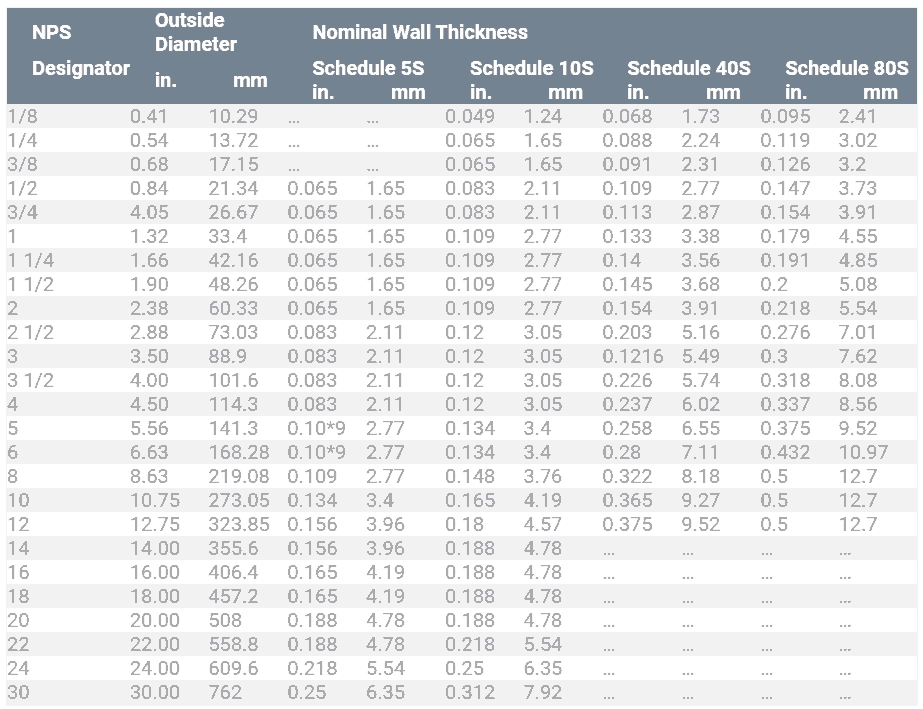
Dimension of Alloy Steel Pipe
Application
Construction Hall Structure, Sea Trestle, Airport Structure, Shipbuilding, Security Door Frames, Garage Doors, Strengthening Liners of Steel Doors and Windows, Indoor Partition Walls, Cable Bridge Structures and Expressway Safety Guards, Balustrade, Decorating, Residential, Ornamental Pipes
Agricultural Equipment
Industry Machinery, Solar Stent, Offshore Oil Field, Mine Equipment, Electromechanical Hardware, , heavy engineering, Mining and Resources, Process Engineering, Materials Handling,Mechanical Parts
Traffic Walking Rails, Roll-up Doors, Guardrail, Plaza Structure, Signage, Road Furniture, Fencing Logistics Storage Supermarket Shelves, Containers, Transport Industries, Commercial Construction Other Sports Apparatus, Leisure Equipment, Furniture, School Furniture
Material Storage Racks, Pallets, Hydraulic Platforms, Trusses, Columns, Purlins, Greenhouse Stands Towers